Katmai Brown Bears

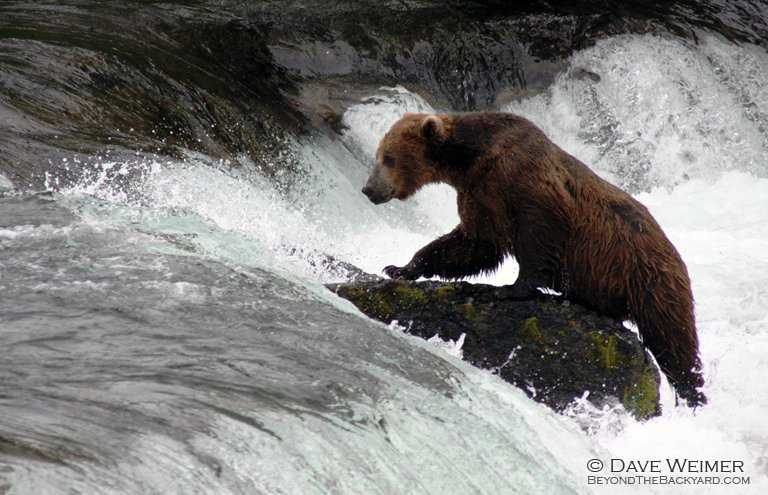
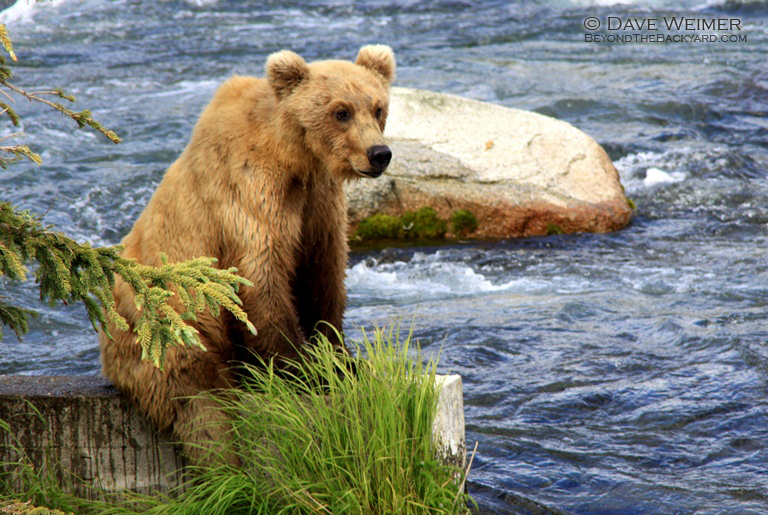
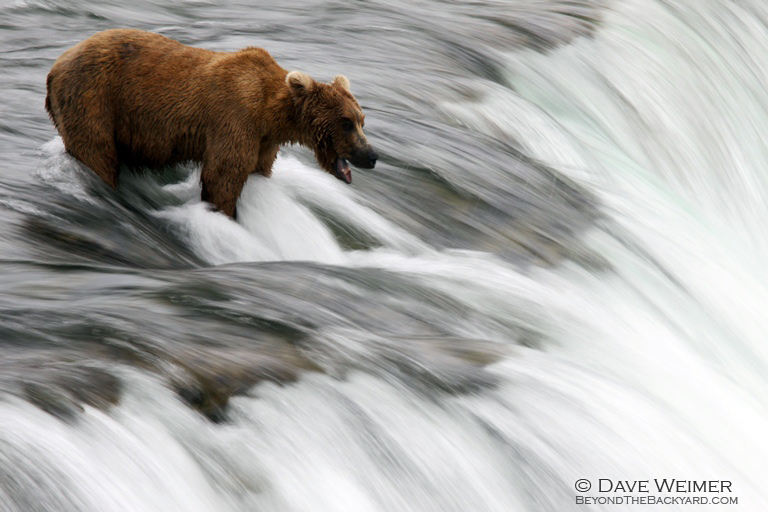
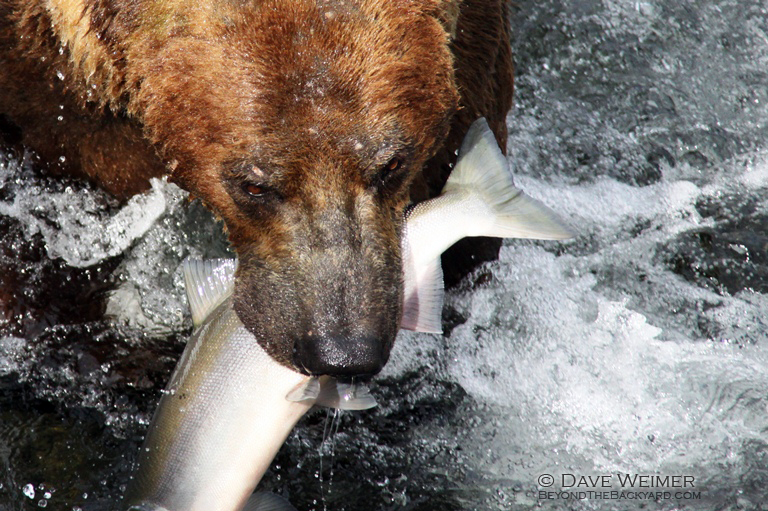
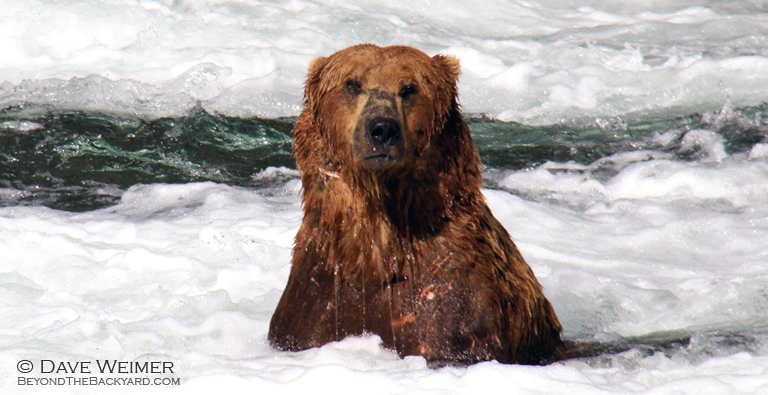
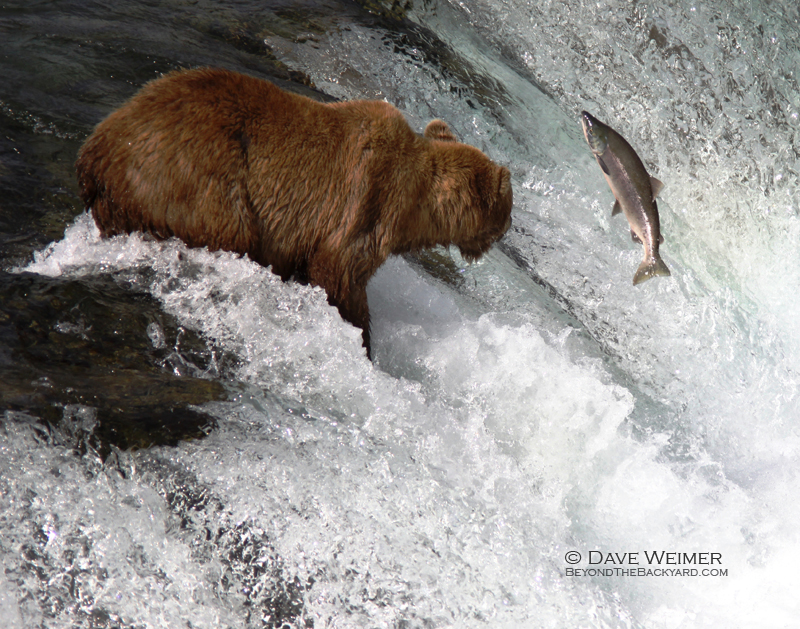
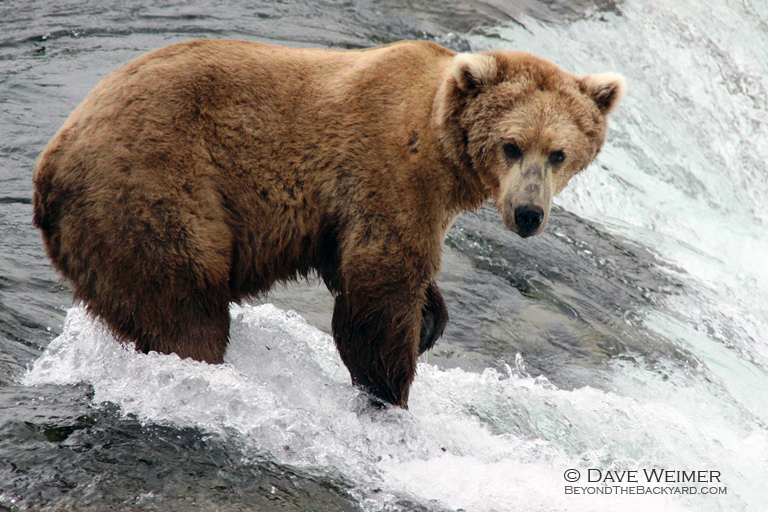
After floating American Creek, I decided to check out Brooks Camp which is known for its high concentration of Brown Bears. I had heard all the rumors- that the place was just one big tourist trap. But I went anyway, and was very glad that I did. In all my years if visiting Alaska I have never been able to get that close to wild bears without absolute fear for my life.

So what exactly is a Brown Bear? I used to think a Brown Bear was just a Grizzly Bear that took vacations to the coast. But after a quick wiki search it appears that I am wrong in that assumption. Grizzly Bears are actually a subspecies of Brown Bears. Anyway, the Brown Bears of Katmai are huge. With an abundant source of food (salmon), Brown Bears can grow to be 1500 lbs. Their cousins, the inland grizzlies, top out around 800.
I set my tent up at the campground which is set inside an electric fence. The campground can accommodate 60 campers and it’s booked for most of July. Make your reservations online before you go or you’ll be camping a mile away somewhere. That would not be recommended.

I could spend hours and hours at the platforms watching the bears do their thing. If you are an Alaskan and have never been to Brooks Camp- I would strongly suggest you visit. It’s $188 bucks roundtrip flight from King Salmon.

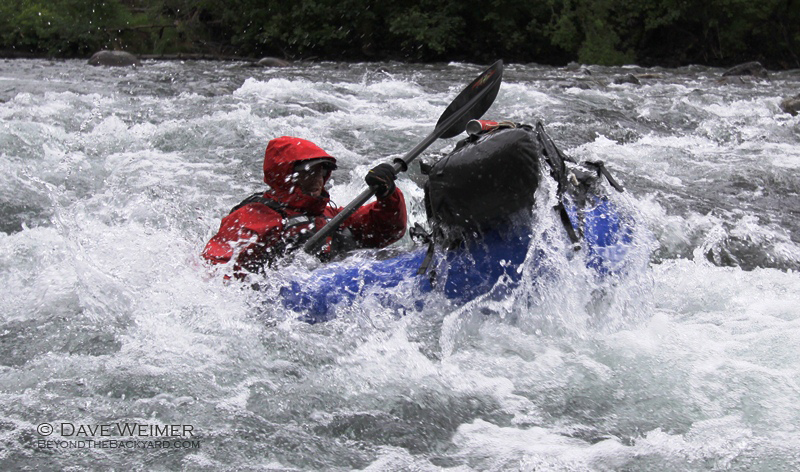
Packrafting American Creek, Katmai N. Park

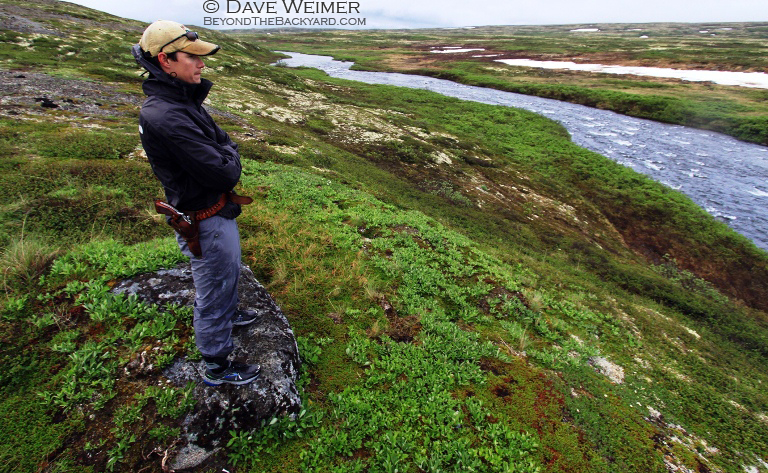
I’ve wanted to visit Katmai forever and this year I was finally able to make it happen. I also wanted to do some packrafting while I was there and after a bunch of research- American Creek made the cut.

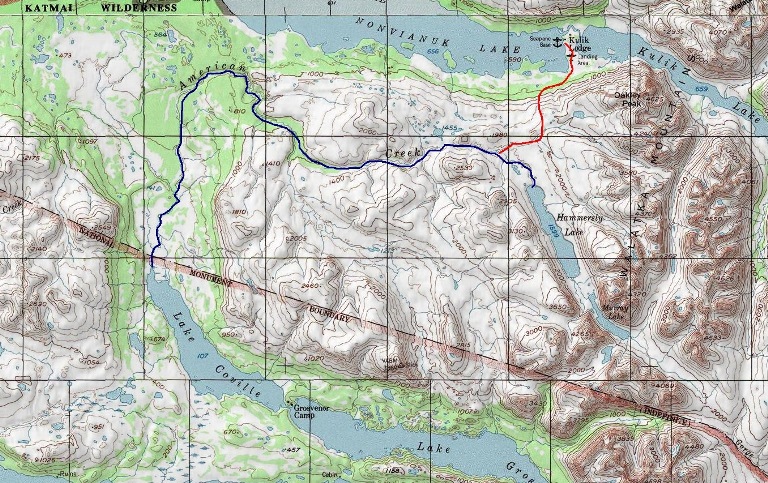
Orlan, Mike, and I flew into Hammersly Lake with Cecile (C-Air out of King Salmon) as our bush pilot.  It should be noted that it is possible to fly from Anchorage directly to Kulik Lodge with Katmai Air. Seats are reserved for guests of the lodge but occasionally they have a couple openings. It would be worth your time to check on availability. Once at Kulik, you could then hike the 8 miles to American Creek. Most of the hiking is above treeline and looks pretty good. You may even be able to float the small tributary there but be careful, there is a waterfall in the vicinity.

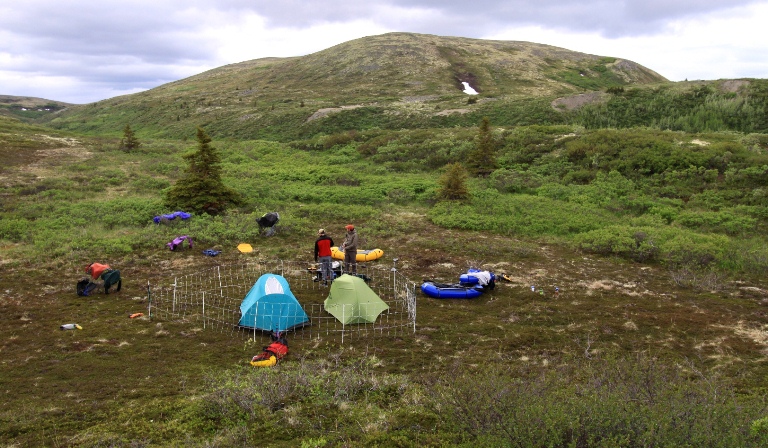
We began our float in early July, before the salmon run, so we didn’t have to contend with a multitude of bears. In fact, we only saw two. We took another packrafters advice though and brought a bear-fence anyway. The alders were thick near camp spots on the lower river and the fence made sleeping a heck of a lot easier.

When entering the 1st canyon, you will notice a football-sized blotch of red lichen on the face of a small cliff, river-right. This is the indication you are within a quarter mile of the tricky, class III+ rapid. It needs to be scouted. A steep but easy portage can be found on river-right.

The spectacular lower canyon is a great place to fish. Every cast reveals a pink polka-dotted Char. We opted to catch and release so the next folks will have the same fun we had.

The high water this year produced a series of logjams that appear around blind corners. When the river begins to braid be very careful. The volume of water being forced through these strainers would pin you. We had to portage 4 times.

Check out the video of our trip here!

After encountering the major tributary flowing from the west, be sure to find a camp within 1 mile. After that, there is nothing but swamp until the take-out. At the pick-up spot, be sure to plan a night on top of the obvious hill, it’s a special place.

Plan on bringing a headlamp. I didn’t and wished I had one. In Katmai you are at a low enough latitude to have some pretty dark nights.

I recommend Cecile (C-Air) highly. He’s a one-man operation with a Cessna 185. He flew the three of us with all our packraft gear into Hammersly Lake and out of Coville Lake for $950- if you shop around you will find that this is one hell of a deal.

Brad Meiklejohn has some great advice for those who want to float American Creek. Read it HERE.

Talkeetna Traverse

After our Brooks Range packrafting trip the year before, Galen and I decided on an excursion a little more local and quite a bit cheaper too. We departed my cabin on foot and followed the trail up the Chickaloon River. Our goal- Talkeetna, about 120 miles away. In early June, the water levels were still low and we were able to cross the Chickaloon River about 3 miles north of Moss Creek.  (This is an exception to the rule as typically Moss Creek is extremely hard to cross let alone the Chickaloon.)

Galen making his way out of the Chickaloon Valley

We decided not to bring white gas. Our packs were already heavy and cooking over an open fire is fun anyway. I’d heard other packrafters were using hobo stoves so I decided to make one out of a tin can and try it out. It worked OK. It should be noted that if it rains hard, and you plan to cook with wood- you will be eating a cold meal.  Aren’t hobo stoves supposed to be for ‘urban’ survival?

Next time I’d cut that hobo stove in half

Easy hiking on the way to the Talkeetna Headwaters

Talkeetna River

We floated the Talkeetna River for 34 miles. The put in was PR3. I’ve always found glacial rivers to be a bit intimidating but the river braids after a few miles and mellows out. There is one other rapid above Prairie Creek- be on the lookout.

The 18 mile portage to Clear Creek (Chunilna). Galen crosses a beaver dam on Cache Creek.

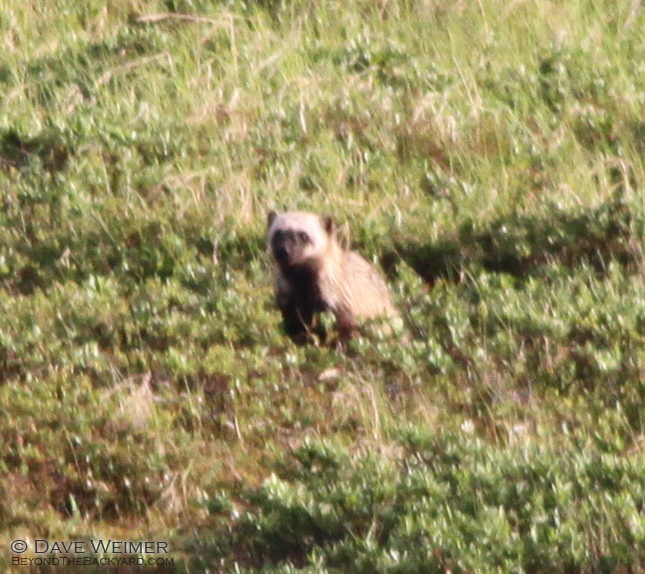
You can’t beat Alaskas wildlife- my first wild wolverine. He’s cute, but he’ll rip your face off!

The hellacious bushwhack near Clear Creek. As you might imagine there are tons of black bears in the area.

Clear Creek is a packrafters dream. You can take the train from Talkeetna, jump off, hike to the creek, then float back to Talkeetna. The fishing is pretty good too. Don’t bother trying to hike all the way to the headwaters as there is a lot of trees in the river there. I’d put in a few miles above the canyon.

Our trip was 9 days. 58 miles of hiking, 63 miles of floating.